
RERA Explained for Buyers: Your Rights, Carpet Area and Refunds
If you are buying an under-construction home, RERA is the single most powerful tool in your corner. Most buyers sign the agreement without ever reading what the law guarantees them — and then discover, two years later, that the builder has slipped the timeline, billed them for "super built-up" area they never use, and stopped answering calls. This guide tells you exactly what RERA gives you, in plain language, so you walk into your purchase knowing your rights rather than learning them the hard way.
The Real Estate (Regulation and Development) Act, 2016 was written for one reason: to shift the balance of power away from developers and toward you, the buyer. Here is what that means in practice.
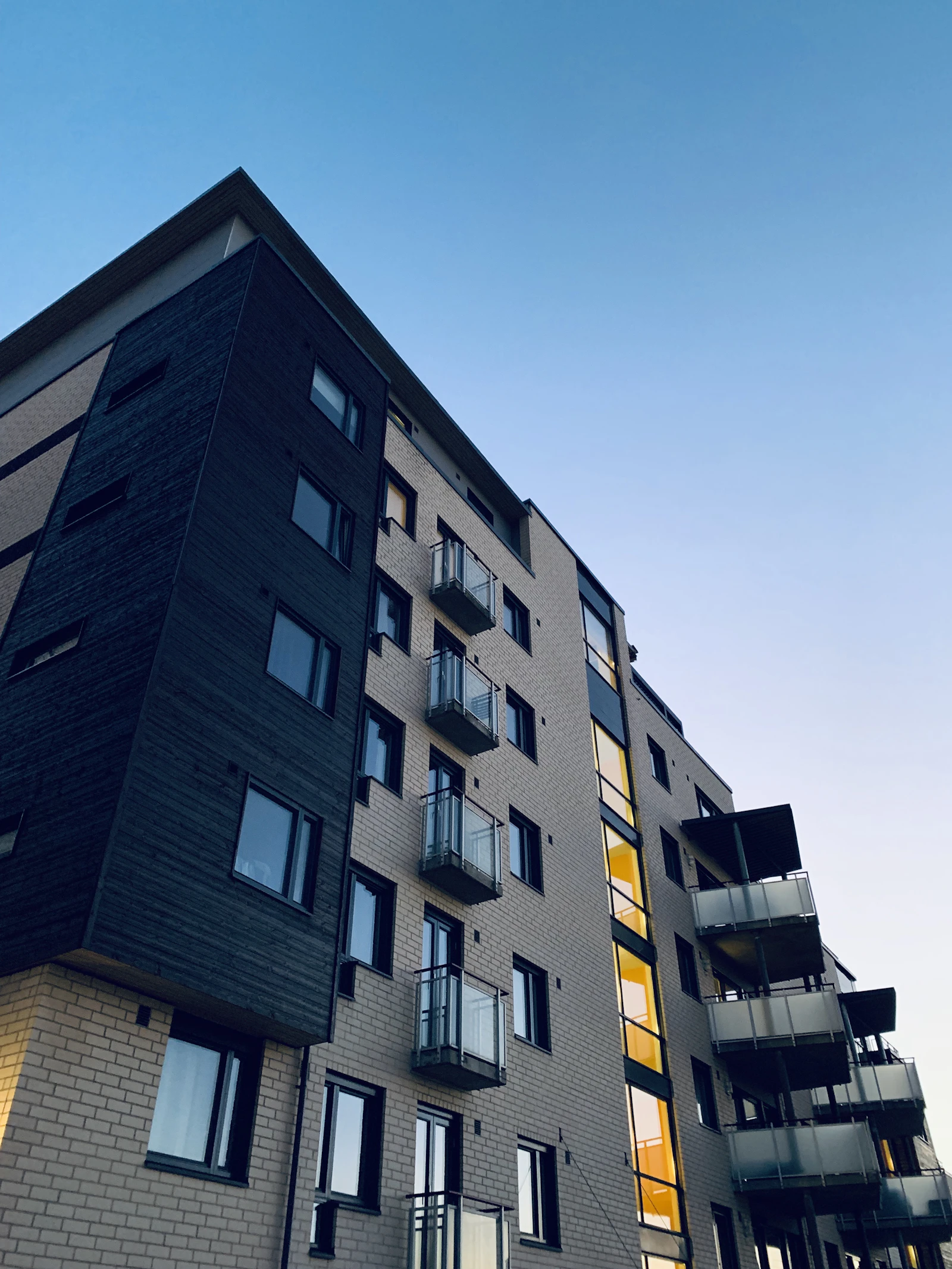
What RERA actually guarantees you
Before you part with a single rupee, understand the four protections that matter most.
1. The project must be registered. Any project larger than 500 square metres or with more than eight units must be registered with the state regulator — MahaRERA in Maharashtra, and equivalent authorities in Karnataka, Maharashtra, Pune's jurisdiction and elsewhere. If a project is not registered, the developer cannot legally advertise, market or sell it. Always check the registration number on the official state RERA portal before you book.
2. You pay only for carpet area. This is the change that quietly saved buyers crores. Under RERA, the price is tied to carpet area — the net usable floor area inside your apartment, measured wall-to-wall, excluding external walls, service shafts, exclusive balconies and open terraces. Developers can no longer sell you "super built-up area" that bundles in the lobby, the lift shaft and a slice of the staircase. What you pay for is what you can actually walk on.
3. 70% of your money is ring-fenced. Section 4 requires the developer to deposit 70% of the funds collected from buyers into a separate escrow account, usable only for the land and construction costs of that specific project. This stops the old game of taking your money for Tower A and using it to start Tower D in another city.
4. You have the right to timely possession — or your money back. This is the heart of RERA, and it is covered in the next section.
Possession delays: your two choices under Section 18
The committed possession date in your agreement is not a soft target. It is a legal promise. If the developer fails to hand over possession by that date, Section 18 gives you two clear options:
- Walk away with a full refund plus interest. You can withdraw from the project and demand your entire amount back, with interest calculated from the date you paid until the date you are refunded.
- Stay and collect interest for every month of delay. If you still want the home, you can continue with the project and receive interest for each month the builder is late, paid until possession is actually handed over.
The interest is not a token amount. Most state RERA rules — including MahaRERA — peg it to the State Bank of India's Marginal Cost of Funds-based Lending Rate (SBI MCLR) plus 2%, which typically works out to around 10–11% per annum. Crucially, the rate of interest the builder pays you for a delay must be the same rate you would have paid them had you defaulted. RERA made the penalty symmetrical, and that symmetry is what makes delay genuinely expensive for a developer.

The five-year defect warranty most buyers forget
RERA does not stop protecting you at handover. Under Section 14(3), if any structural defect, poor workmanship, or defect in quality or service shows up within five years of you taking possession, the developer must repair it within 30 days — at no cost to you. If they refuse or fail, you are entitled to compensation. Keep this in mind when a wall develops cracks or the plumbing fails in year three; this is your right, not a favour.
How to file a RERA complaint that actually wins
A RERA complaint is not a court case in the intimidating sense. It is a structured, online, time-bound process — and most authorities aim to resolve complaints within 60 to 90 days. Win rates are high when the paperwork is clean. Here is how to do it right.
Step 1 — Build your evidence file before you file
The buyers who win are the ones who documented everything. Collect:
- Your allotment letter and agreement to sell (this contains the committed possession date — the foundation of your claim)
- Every payment receipt and bank statement showing what you paid and when
- The brochure and advertisements that made specific promises
- All emails, letters and WhatsApp chats with the builder, especially any acknowledging the delay
Step 2 — Register on your state RERA portal
In Maharashtra, file directly at maharera.maharashtra.gov.in. Register as a complainant, log in, and complete the complaint form. There is a nominal filing fee (typically a few thousand rupees), and you do not strictly need a lawyer — though for high-value premium purchases, professional representation pays for itself.
Step 3 — State your relief clearly
Be specific. Are you asking for a refund with interest, or interest for the delay while continuing? Vague complaints get delayed; precise ones get decided. Attach your evidence, cite the committed date, and quantify the interest you are owed.
Step 4 — Attend the hearings
The authority will hear both sides. Because your agreement and receipts are documentary and hard to dispute, well-prepared buyers consistently secure orders for interest, refunds or compensation. If you are unhappy with the order, you can appeal to the state Real Estate Appellate Tribunal.
The mistake that costs buyers their RERA rights
Here is what the law cannot do for you: it cannot fix a bad agreement after you have signed it. If your sale agreement has a vague possession date, an inflated carpet area, or one-sided penalty clauses, RERA gives you a remedy — but you will be fighting from a weaker position.
The smarter move is to verify everything before you sign. Confirm the RERA registration is live and the project's declared completion date is realistic. Cross-check the carpet area against the floor plan. Read the penalty clauses for symmetry. This is precisely where buyer-side due diligence earns its keep.
This is the gap our PropScore report is built to close. Before you commit, PropXplor's dedicated advisor runs the project through an 80+ data-point check — RERA registration status, escrow compliance, the developer's track record on past delivery timelines, title clarity and the fairness of the agreement itself — so you sign from a position of strength, not hope. Because we represent you and, our reading of that agreement is rigorous by design. We bring curated, architect-verified properties to your doorstep with the legal homework already done.
Frequently asked questions
Is RERA registration mandatory for every project? Almost every meaningful one. Projects over 500 square metres or with more than eight apartments must be registered. If a developer cannot give you a valid RERA number, treat it as a red flag and walk away.
What is the difference between carpet area and built-up area under RERA? Carpet area is the net usable space inside your flat — the floor you can actually use, excluding walls, shafts and balconies. Built-up and super built-up areas add in walls and common spaces. RERA mandates pricing on carpet area, so you no longer pay for space you can't use.
How much interest can I claim for a delayed possession? You are entitled to interest at SBI MCLR + 2% — commonly around 10–11% per year — on the amount you have paid, for every month of delay until possession is handed over, or until you are fully refunded if you choose to exit.
Can I get a full refund if the builder is late? Yes. Under Section 18, if possession is delayed beyond the agreed date, you can withdraw and claim a full refund of everything you paid, plus interest from the date of payment until the refund is made.
How long does a RERA complaint take to resolve? Most authorities aim to resolve complaints within 60 to 90 days. Clean documentation — agreement, receipts and proof of the committed date — is what keeps your case fast and decisive.
Related reading
- How to Verify Builder Track Record and Project Approvals Before You Buy
- Carpet Area vs Built-Up Area: What You Are Really Paying For
- Stamp Duty and Registration Charges in Maharashtra: A Buyer's Breakdown
RERA gives you the rights. PropXplor makes sure you never need to use them — by catching the risk before you sign. Book a free buyer consultation and let your dedicated advisor run a PropScore check on the property you are considering.
Rigorous, buyer-side advice and a PropScore on every home.
Book a free consultation