
Grade-A Commercial Property Investment in India: A Buyer's Framework
You have built wealth in equities, perhaps a business, and you now want a slice of your portfolio in something that pays you a predictable rent and appreciates with India's growth. Commercial real estate is the obvious candidate — but the moment you start looking, every developer's brochure calls its building "Grade A." Most of them are not.
This is a framework for evaluating a commercial asset the way an institutional investor does. Not on the glass facade or the lobby chandelier, but on the things that actually protect your capital and your yield: the lease, the tenant, the title, and the structure. If you are an HNI or an NRI putting eight figures into a single asset, the difference between a genuine Grade-A office and a dressed-up Grade-B one is the difference between a 7–9% yield with a multinational on a nine-year lock-in, and a vacant floor you are chasing tenants for.
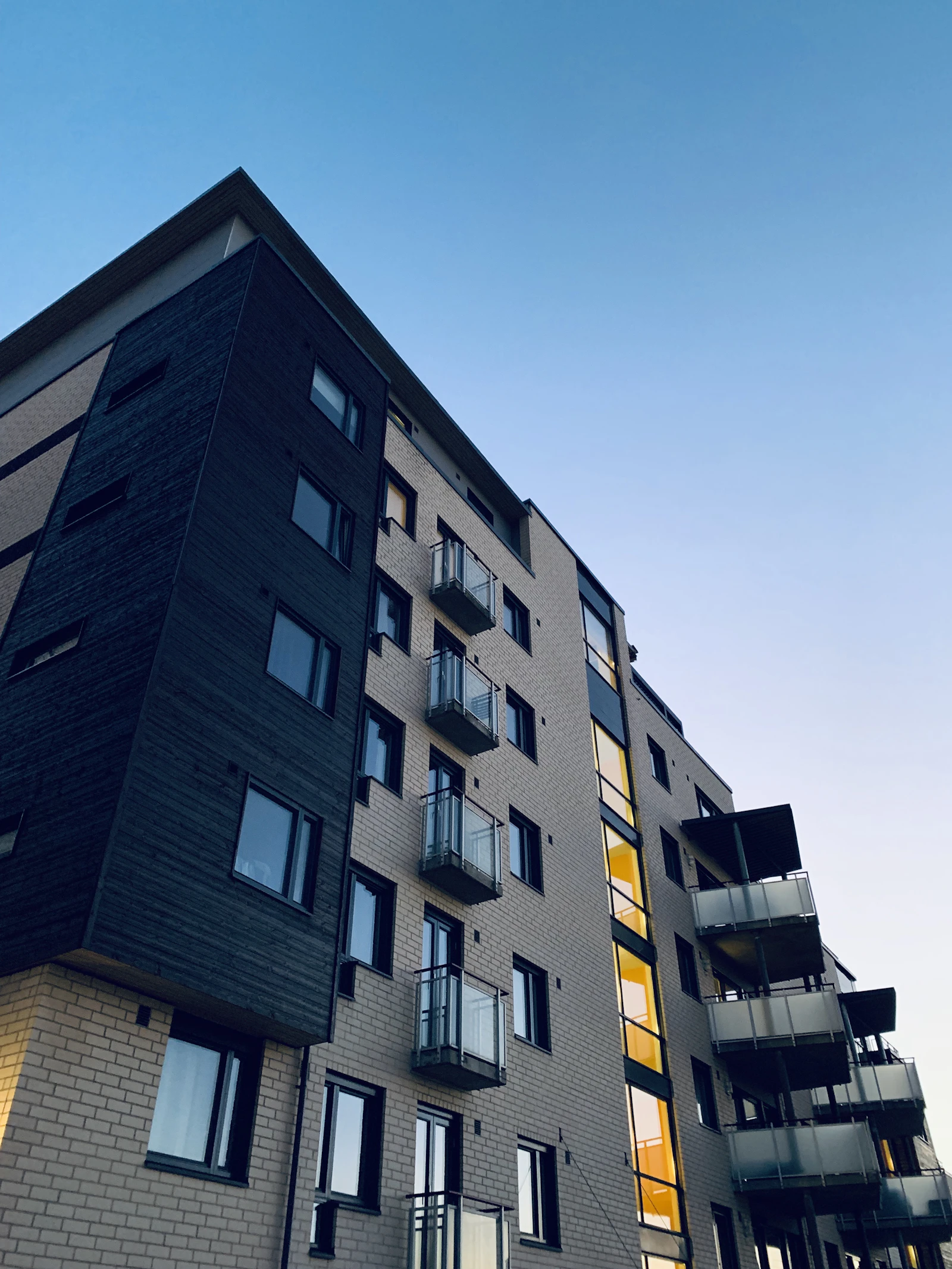
What actually defines "Grade-A" office stock
"Grade A" is not a legal classification — there is no registrar stamp for it. It is a market convention used by institutional landlords and consultants, and it rests on a checklist that has very little to do with how a building looks.
A genuine Grade-A asset typically meets most of these:
- Floor plate efficiency — large, column-free or low-column floors (usually 20,000+ sq ft) that let a corporate tenant lay out a dense, flexible workspace. Inefficient floor plates are the single most common giveaway of a building masquerading as Grade A.
- Power and redundancy — 100% DG (diesel generator) backup, dual power feeds, and a planned load of at least 1 kVA per 100 sq ft. A serious tenant will not sign without it.
- Certified specification — IGBC or LEED Gold/Platinum certification, modern HVAC, high-speed lifts with low wait times, and ample basement parking (one bay per 800–1,000 sq ft).
- Institutional ownership or management — the asset is owned or managed by a REIT, a fund, or a developer with a track record of holding and maintaining, not flipping.
- Location and connectivity — within an established or fast-emerging business district with metro access and last-mile infrastructure.
When you walk a building, ignore the lobby. Ask for the single-line power diagram, the floor plate drawing, the occupancy certificate, and the green-building certificate. That tells you more than any site visit.
The tenant is the asset
This is the mental shift that separates amateurs from institutions: in commercial real estate, you are not buying a building — you are buying a stream of rent from a specific tenant. The quality of that tenant determines almost everything about your risk.
India's Grade-A demand is being driven by a remarkably resilient set of occupiers. Global Capability Centres (GCCs) — the in-house offices of global multinationals — now account for close to 30% of all office leasing in India, and along with flex-space operators and the BFSI (banking, financial services and insurance) sector, they form the backbone of demand. In 2024 the market recorded historic gross leasing of 89 million sq ft with net absorption at an all-time high of 50 million sq ft, and FY26 net absorption across the top six cities is forecast to set fresh records at roughly 69–70 million sq ft.
That demand has tightened vacancy. The national Grade-A vacancy rate sits around 16% and is projected to fall toward 12.5–13% by March 2026 — with Chennai near 8.9%, Bengaluru around 15.8%, and Bengaluru, Mumbai and Hyderabad leading net absorption. A tight market means a good asset re-lets quickly if a tenant exits.
When you assess the tenant, look at:
- Covenant strength — is the lessee a global MNC, a listed Indian company, or a thinly capitalised startup? The first re-lets your floor in a downturn; the third may not survive one.
- Lease tenure and lock-in — Grade-A leases typically run 5–9 years with a 3-year lock-in and built-in escalations of 12–15% every three years. That escalation clause is where your real return compounds.
- Single vs multi-tenant — a single marquee tenant gives clean, predictable income but concentration risk. Multi-tenant spreads risk but adds management complexity.
- Fit-out investment — a tenant who has spent ₹2,000+/sq ft on their own interiors is far less likely to walk away.
How to evaluate the numbers like an institution
Once the asset and tenant pass the qualitative test, the financials decide whether the deal is good. Three metrics matter most.
Rental yield. Grade-A office assets in India currently deliver 7–9% gross rental yields — meaningfully above residential's 3–5% — with Bengaluru, Gurugram and Mumbai at the top of the range. Calculate it as annual rent ÷ all-in acquisition cost (price + stamp duty + registration + brokerage + fit-out). Be honest about that denominator; a 9% yield on the headline price can become a 7% yield once you load every cost.
Cap rate and exit. The capitalisation rate — net operating income ÷ asset value — is how institutional buyers price the building you will eventually sell to them. A pre-leased Grade-A asset with a strong tenant trades at a tighter (lower) cap rate, which means a higher valuation. Your exit is only as liquid as that cap rate is attractive to the next institutional buyer.
Escalation-driven IRR. Your headline yield is the starting point. The 12–15% triennial escalations, modest capital appreciation, and the eventual exit are what take a 7–8% entry yield to a low-to-mid-teens IRR over a 7–10 year hold. Model all three; do not buy on yield alone.
Title, compliance and structure — where deals quietly fail
Most commercial deals that go wrong do not fail on yield. They fail on diligence. Before you sign:
- RERA registration — verify the project on your state's RERA portal. RERA brought real transparency to Indian real estate; a non-registered commercial project should make you walk.
- Occupancy Certificate (OC) — a completed building must have a valid OC. No OC, no clean title, no institutional exit.
- Title chain — insist on an independent legal opinion covering at least the last 30 years of title, encumbrances, and any litigation.
- Tax structure on purchase. An under-construction commercial property attracts 12% GST. A completed/ready commercial property attracts no GST — only stamp duty and registration. Stamp duty varies by state (broadly 5–7% in Maharashtra and Karnataka). On the rental side, commercial rent attracts 18% GST once the landlord crosses the registration threshold, which a tenant typically claims as input credit.
A note for NRI buyers (FEMA)
If you are an NRI or OCI, the rules are friendlier for commercial than for residential. Under FEMA, NRIs and OCIs can buy unlimited commercial property without RBI approval (only agricultural land, plantations and farmhouses are barred). All payment must flow through normal banking channels — NRE, NRO or FCNR accounts, or inward remittance; no cash.
The standout advantage: on resale, commercial property has no restriction on the number of properties or the amount you can repatriate, unlike residential, where free repatriation is capped at two properties. Just ensure the purchase was funded through repatriable channels and all Indian taxes are settled first. Note that standard NRI home loans cover residential only — for an office or retail unit you will need a dedicated commercial property loan, which most large banks offer to NRIs on separate terms.
Where an rigorous buyer's advisor changes the outcome
Here is the structural problem with how most people buy commercial property in India: every party in the room is paid by the seller. The broker earns from the developer. The "advisor" is often a channel partner. Nobody at the table represents you.
This is precisely the gap PropXplor was built to close. As a buyer-side advisory — never a listing portal, never a builder's agent — we represent only you. Every shortlisted asset is run through PropScore, our 80+ data-point report that scores the floor plate, tenant covenant, lease terms, title, compliance and yield before you ever spend a weekend on a site visit. Your dedicated advisor brings a curated, architect-verified shortlist to your doorstep, so you evaluate three genuinely Grade-A options instead of thirty brochures. The fee is a flat membership — we are paid by you, which is the only way an advisor stays honest.

Frequently asked questions
What is the minimum ticket size for a Grade-A commercial property in India? Whole-floor or full-building Grade-A assets typically start at ₹5–10 crore and run well into the hundreds of crores. Smaller pre-leased Grade-A units in some markets begin around ₹2–4 crore. If your appetite is lower, fractional ownership platforms and listed REITs give Grade-A exposure from a few lakhs, though without direct title.
Is commercial property a better investment than residential in India? For income, usually yes — Grade-A commercial yields 7–9% versus 3–5% for residential, with longer locked-in leases. But it carries higher tenant concentration risk and demands far more diligence. Residential is simpler and more liquid for smaller buyers. The right answer depends on your ticket size, hold period and risk appetite.
Can an NRI buy commercial property in India and take the rent abroad? Yes. NRIs and OCIs can buy unlimited commercial property without RBI approval, pay through NRE/NRO/FCNR channels, and — unusually — repatriate sale proceeds and rent with no cap on the number of properties, provided taxes are paid and funds were routed through legitimate banking channels.
What is a good rental yield for Grade-A office space? Currently 7–9% gross in the top markets (Bengaluru, Gurugram, Mumbai). Below 6% usually signals an overpriced asset or a weak tenant; above 10% should make you ask why — often it reflects a riskier location, tenant or title.
How do I verify a building is genuinely Grade A and not just marketed as one? Ignore the lobby. Check the floor-plate efficiency, power backup and redundancy, IGBC/LEED certification, the Occupancy Certificate, and most importantly the tenant covenant and lease terms. A PropScore-style data-led assessment removes the guesswork.
Related reading
- How to read a rental yield correctly before you buy
- RERA explained: a buyer's checklist before signing
- The NRI's guide to buying property in India under FEMA
Buying a Grade-A commercial asset is one of the largest single cheques you will write — it deserves an advisor who is paid by you, not the seller. Book a free PropXplor consultation and let us run your shortlist through PropScore before you commit a rupee.
Rigorous, buyer-side advice and a PropScore on every home.
Book a free consultation